
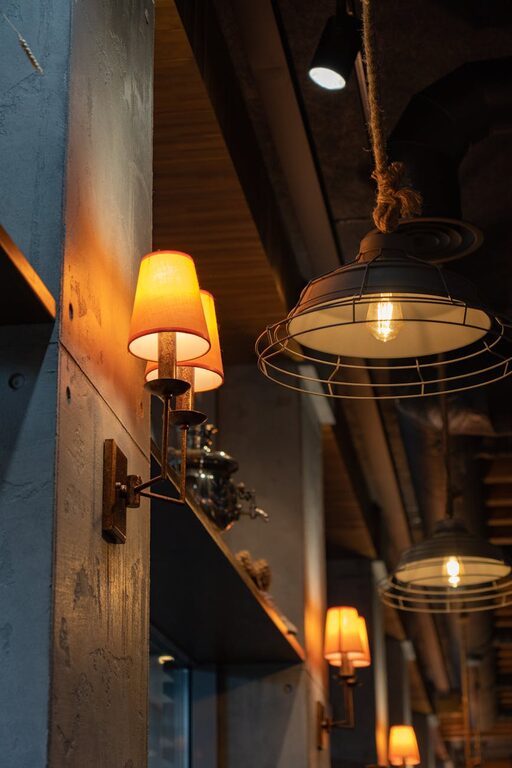
Creating a comfortable and inviting atmosphere in your home often starts with the right lighting. Choosing the best lighting is more than just picking the brightest bulb or trendiest fixture—it’s about balancing functionality, mood, and style to suit your lifestyle. Whether you’re renovating, redecorating, or simply updating a few rooms, understanding how to pick comfortable home lighting can transform your space.
In this post, we’ll explore key tips to help you select lighting that looks good, feels great, and adapts to the needs of your home.
Why Comfortable Home Lighting Matters
Lighting isn’t just about visibility. Good lighting influences our mood, productivity, and even health. Harsh or dim lighting can cause eye strain, headaches, and discomfort. On the other hand, well-designed lighting brings warmth, ease, and a sense of calm—turning your home into a true sanctuary.
Understanding Different Types of Lighting
Before diving into tips, it’s helpful to know the three main types of lighting used in homes:
– Ambient Lighting: This is the general illumination that fills a room, such as ceiling fixtures or recessed lights. It provides an even level of brightness without glare.
– Task Lighting: Focused light designed for specific activities like reading, cooking, or working at a desk. Examples include desk lamps, under-cabinet kitchen lights, and pendant lamps.
– Accent Lighting: Used to highlight architectural features, artwork, or decorative elements. Accent lights add depth and visual interest.
Combining these types appropriately ensures your home is both functional and comfortable.
Tips for Choosing Comfortable Home Lighting
1. Consider the Room’s Purpose and Activities
Each room serves different functions, so lighting needs vary:
– Living Room: Use warm ambient lighting to create a relaxing environment. Add floor or table lamps for reading or hobbies.
– Kitchen: Bright, cool-toned task lighting is essential for food preparation. Pair overhead lights with under-cabinet fixtures.
– Bedroom: Opt for soft, dimmable lights to help you unwind. Avoid bright, blue-toned bulbs which can interfere with sleep.
– Bathroom: Bright task lighting near mirrors is important for grooming but avoid harsh glare.
Understanding how you use each space will guide your lighting choices.
2. Choose the Right Color Temperature
Color temperature, measured in Kelvins (K), affects the mood and comfort of a room:
– Warm White (2700K–3000K): Provides a cozy, inviting feel perfect for living rooms and bedrooms.
– Neutral White (3500K–4100K): Offers a balance that works well in kitchens and bathrooms.
– Cool White (5000K–6500K): Mimics daylight and is ideal for task-oriented spaces or home offices.
Selecting the right temperature can reduce eye strain and enhance the ambiance.
3. Use Dimmable Lights for Flexibility
Dimmers let you adjust brightness based on time of day or activity. Installing dimmable switches or smart bulbs lets you create a customized environment:
– Lower light levels for relaxation or movie nights.
– Brighter settings for tasks or cleaning.
This adaptability increases comfort and helps save energy.
4. Prioritize Quality Fixtures and Bulbs
Investing in quality lighting fixtures and bulbs pays off in comfort and durability:
– LED bulbs are energy-efficient, long-lasting, and generate less heat.
– Choose fixtures that diffuse light evenly to avoid harsh shadows.
– Look for bulbs with a high CRI (Color Rendering Index) of 80 or above for true-to-life colors.
High-quality lighting reduces glare and flicker, which improves visual comfort.
5. Layer Your Lighting
Using multiple light sources at different heights and locations creates a balanced atmosphere that can be adjusted easily:
– Combine overhead lights with table lamps, wall sconces, and floor lamps.
– Layering makes spaces feel warmer and more inviting.
– It also allows you to direct light where it’s needed without overwhelming the room.
6. Avoid Glare and Shadows
Glare from overly bright bulbs or poorly placed fixtures can cause discomfort. To minimize glare:
– Use lampshades or diffusers.
– Position lights away from direct eye lines.
– Promote indirect lighting by reflecting light off walls and ceilings.
Similarly, avoid deep shadows that strain your eyes by positioning multiple light sources to fill the space evenly.
7. Consider Smart Lighting Solutions
Smart lighting systems provide convenience and greater control over your home’s atmosphere:
– Program schedules so lights adjust automatically.
– Change colors or brightness with voice commands or smartphone apps.
– Integrate sensors to turn lights on/off when you enter or leave a room.
Smart lights can improve comfort while helping you manage energy use.
8. Pay Attention to Fixture Style and Placement
Lastly, remember that lighting fixtures are also decor elements:
– Choose fixtures that complement your style, whether modern, rustic, or eclectic.
– Place lights thoughtfully to highlight architectural details or favorite objects.
Well-placed lighting can enhance the aesthetics of your room and how comfortable it feels.
Final Thoughts
Comfortable home lighting combines functionality, aesthetics, and personal preferences. By considering each room’s use, selecting the appropriate color temperature, layering light, avoiding glare, and embracing technology, you can create a home that feels welcoming and relaxing throughout the day and night.
Start small by updating a few lamps or swapping bulbs. Over time, thoughtful lighting choices will make a noticeable difference to your living spaces.
Happy lighting!