
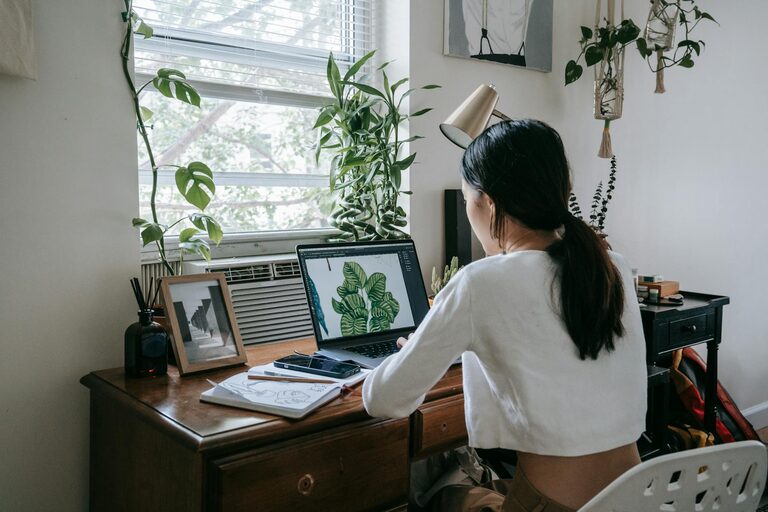
Creating a relaxing home workspace is essential for maintaining focus and reducing stress during your workday. Whether you’re working remotely full-time, freelancing, or just need a dedicated spot to handle tasks, a peaceful work environment helps you stay productive and comfortable. In this post, we’ll explore practical ways to design a calm, inviting area that supports your best work.
Why a Relaxing Workspace Matters
The environment where you work has a big impact on your mindset and efficiency. A cluttered, noisy, or uncomfortable space can cause distractions and fatigue. On the other hand, a well-organized, soothing area encourages concentration and creativity. When your workspace feels relaxing, you’re more likely to enjoy your work and maintain good focus throughout the day.
Choosing the Right Location
Find a Quiet Spot
If possible, select a quiet corner or room that’s away from household noise. This helps you avoid interruptions and focus better on your tasks. Consider spaces with a door you can close if needed.
Natural Light is Key
Natural light improves mood and alertness. Place your desk near a window to take advantage of daylight. If natural light is limited, supplement it with soft, warm artificial lighting rather than harsh fluorescents.
Setting Up Your Desk
Comfortable Chair and Desk
Invest in an ergonomic chair that supports your back and encourages good posture. Pair it with a desk at the right height so your arms rest comfortably while typing or writing.
Keep It Clutter-Free
Minimalism promotes calmness. Use organizers, drawers, or shelves to keep supplies tidy and off your desk surface. Only keep essential items within reach to avoid overwhelming your workspace.
Personalizing Your Space
Add Calming Colors
Colors influence mood. Soft, neutral tones like light blues, greens, or earth shades create a peaceful atmosphere. You can incorporate these colors through wall paint, desk accessories, or artwork.
Include Plants
Indoor plants brighten a room and purify the air. They also have a soothing effect, helping to reduce stress. Choose low-maintenance plants like succulents, snake plants, or pothos.
Bring in Meaningful Decor
Personal touches make your workspace welcoming. Photos, inspirational quotes, or small mementos can boost motivation. Just avoid overcrowding your desk or walls.
Managing Noise and Distractions
Use Noise-Cancelling Headphones
If ambient noise bothers you, noise-cancelling headphones can create a bubble of calm and help you focus.
Establish Boundaries
Let family or roommates know your work hours and ask for quiet during that time. Use signs or signals to indicate when you’re busy.
Organizing Technology
Keep Cables Neat
Tidy cables reduce visual clutter and prevent tangles. Use cable clips or sleeves to keep wires organized and out of sight.
Optimize Screen Position
Place your monitor at eye level to reduce neck strain. A screen glare filter or adjustable lamp can help minimize eye fatigue.
Incorporating Relaxation Breaks
Create a Rest Zone Nearby
If space allows, set up a small corner with a comfortable chair or cushion where you can take short breaks.
Practice Deep Breathing or Stretching
Taking a few moments to breathe deeply or stretch helps refresh your mind and body, improving focus when you return to work.
Maintaining Your Workspace
Daily Tidying
Spend a few minutes at the end of each day clearing your desk and putting things away. A clean space in the morning helps you start work with a clear mind.
Regular Updates
Every few months, reassess your workspace setup to make sure it still meets your needs and feels inviting.
—
By thoughtfully creating a relaxing home workspace, you set the stage for productive, stress-free workdays. Implement these tips gradually, and enjoy the benefits of a calm and organized environment tailored just for you.