
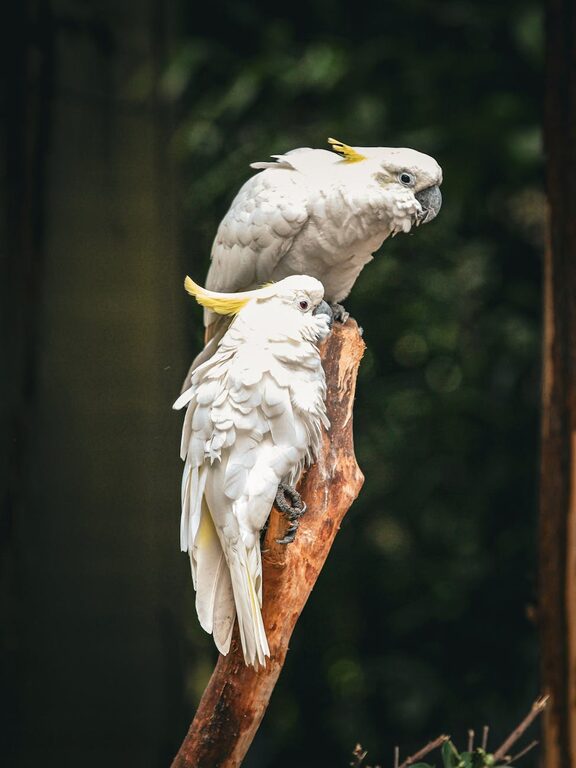
Birdwatching is a delightful and relaxing hobby that can be enjoyed by people of all ages. You don’t need to travel far or have special equipment to start observing birds — your own backyard can become a haven for feathered friends. If you’re new to birdwatching, this guide offers beginner tips to help you attract birds, identify them, and get the most out of your birdwatching experience.
Why Start Backyard Birdwatching?
Birdwatching connects you with nature in a unique way. It promotes mindfulness and offers a peaceful break from daily routines. Additionally, it helps you learn about local wildlife and encourages conservation efforts. Plus, watching birds can be a fun family activity, sparking curiosity and appreciation for the natural world.
Setting Up Your Backyard Birdwatching Space
Create a Bird-Friendly Environment
To attract birds to your yard, consider making it appealing and safe for them. Here are some simple steps:
– Provide Food: Use bird feeders with a variety of seeds, such as sunflower seeds, millet, and nyjer, to attract different species. Keep feeders clean and fill them regularly.
– Supply Water: Birds need fresh water for drinking and bathing. Use a birdbath or shallow dish, and change the water daily to prevent algae and mosquitoes.
– Plant Native Plants: Trees, shrubs, and flowers native to your region offer natural food, shelter, and nesting sites. Plant berry-producing bushes or seed-bearing flowers to provide natural snacks.
– Offer Shelter: Dense shrubs, evergreens, or birdhouses can protect birds from predators and harsh weather.
Choose the Right Spot
Place feeders and birdbaths where you can observe the birds easily but far enough from windows to avoid collisions. Position feeders near natural cover so birds can quickly escape if threatened. A quiet, shady spot often works best.
Essential Birdwatching Tools for Beginners
You don’t need expensive gear to start. Here are some useful tools that make birdwatching easier and more enjoyable:
– Binoculars: A decent pair with 8x to 10x magnification helps you see details without disturbing the birds.
– Field Guide: A bird identification book or app specific to your region lets you learn more about the species you observe.
– Notebook or Journal: Record your sightings, notes about bird behavior, or sketches to track your progress.
– Camera or Smartphone: Capture photos to review and share or use apps for identification.
Tips for Observing Birds Effectively
Be Patient and Quiet
Birds can be shy and easily startled. Approach your birdwatching spot slowly and stay still. Speak softly or not at all, and avoid sudden movements.
Watch at the Right Times
Early mornings and late afternoons are prime times when birds are most active and feeding. Spend short, regular periods watching instead of long sessions; consistency is key.
Learn Bird Behavior
Observing how birds move, feed, or interact can give clues to their species. For example, some birds hop on the ground, while others perch quietly or dart quickly between branches.
Use Your Senses
While sight is primary, listen for bird songs and calls. Learning a few common sounds will help you locate and identify birds even when they are hidden.
Common Backyard Birds to Look For
Depending on your location, certain birds are commonly seen in backyards:
– Sparrows
– Cardinals
– Blue Jays
– Chickadees
– Robins
– Finches
– Woodpeckers
By focusing on these familiar species first, you can build identification skills before moving on to more elusive birds.
Respecting Wildlife and the Environment
When birdwatching, always keep the well-being of birds in mind:
– Avoid disturbing nests or young birds.
– Clean feeders and birdbaths regularly to prevent disease spread.
– Use non-toxic plants and avoid pesticides that harm birds and insects.
– Keep cats indoors or supervised to protect visiting birds.
Enhancing Your Backyard Birdwatching Experience
Join a Community
Consider joining local birdwatching clubs or online forums. Sharing your experiences and learning from others enriches the hobby.
Try Citizen Science Projects
Participate in bird counts or monitoring programs that help scientists track bird populations and health. It’s a rewarding way to give back.
Keep Learning
As you grow more confident, explore bird anatomy, migration patterns, and behavior to deepen your enjoyment.
Conclusion
Starting backyard birdwatching is easy and rewarding. By creating a welcoming habitat, observing patiently, and learning about your winged visitors, you’ll discover a fascinating world just outside your door. Grab some binoculars, open your eyes, and get ready to enjoy the vibrant variety of birds that make your backyard their home. Happy birdwatching!